Towns and places. Updated November 2026. 3 min read.
Kipsigis song traditions helped give rise to Kalenjin pop music. The signature dish is mursik, milk fermented in a gourd, eaten with finger-millet ugali. The area is also famous for distance runners. This page covers what people eat in Kericho, the dishes to look for, the manners that matter at a Kenyan table, and where the county's culture is on show.
What people eat in Kericho
Maasai and Kalenjin country: milk, meat and ugali, with the fertile Kericho and Bomet highlands adding tea, potatoes and maize.
- Nyama choma from a roadside butchery in Narok or Kajiado
- Mursik, the Kalenjin smoked-gourd sour milk
- Ugali with sukuma wiki and managu greens
- Fresh maize roasted at the roadside
- Goat soup, the Maasai remedy for everything
To drink: Mursik, offered to champions and guests, and sweet milky tea in every home.
Table manners and hospitality
A guest is fed first and well. Wash your hands when the jug and basin come round (or before the meal where there is a sink), eat ugali with the right hand, and take a little of everything. Declining food outright can read as refusing the welcome; a small portion accepted is the polite route. Tea is offered at every visit and it is sweet and milky unless you ask otherwise. In Muslim households on the coast and in the north-east, dress modestly and skip alcohol.
Where the culture is on show
Fort Ternan Museum: the site where fossils of the ancient ape Kenyapithecus were found. Kapkatet Museum: Kipsigis artefacts and heritage. Markets are the everyday museum: the main market in Kericho is busiest on its market days and is where the county's produce, cloth and cooking are easiest to see.
Eating out: what things cost
A plate of ugali and stew at a kibanda (a small local eatery) in Kericho costs about KSh 150 to 300 ($1 to $2.50); a meal at a mid-range restaurant KSh 800 to 1,500 ($6 to $12); and dinner at a lodge or hotel, where it is not already in your rate, $25 to $40. Bottled water is KSh 50 to 100, a soda about the same, a Tusker KSh 250 to 400 in a bar. Tip around 10 percent in restaurants where service is not added. Street food is safe where it is cooked in front of you and busy; roast maize, mandazi and samosas are the standards.
Economy and daily life
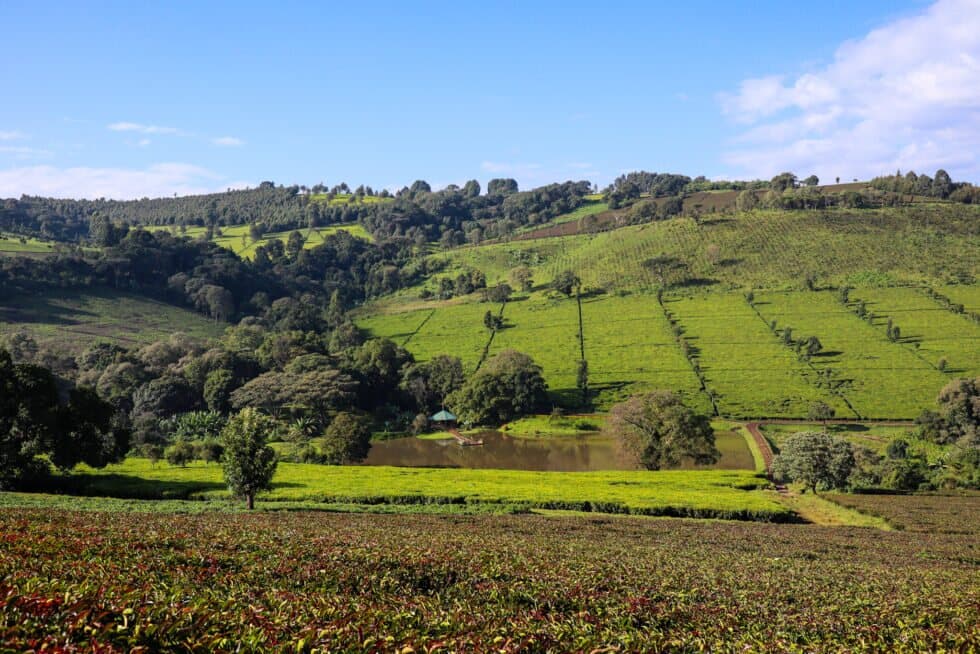
Tea is king, grown on large estates and smallholdings, followed by coffee, sugarcane, maize and dairy. Kericho is Kenya's best-known tea region, and tea is one of the country's top exports. The town also has Africa's largest Sikh Gurdwara.