
Towns and places. Updated November 2026. 3 min read.
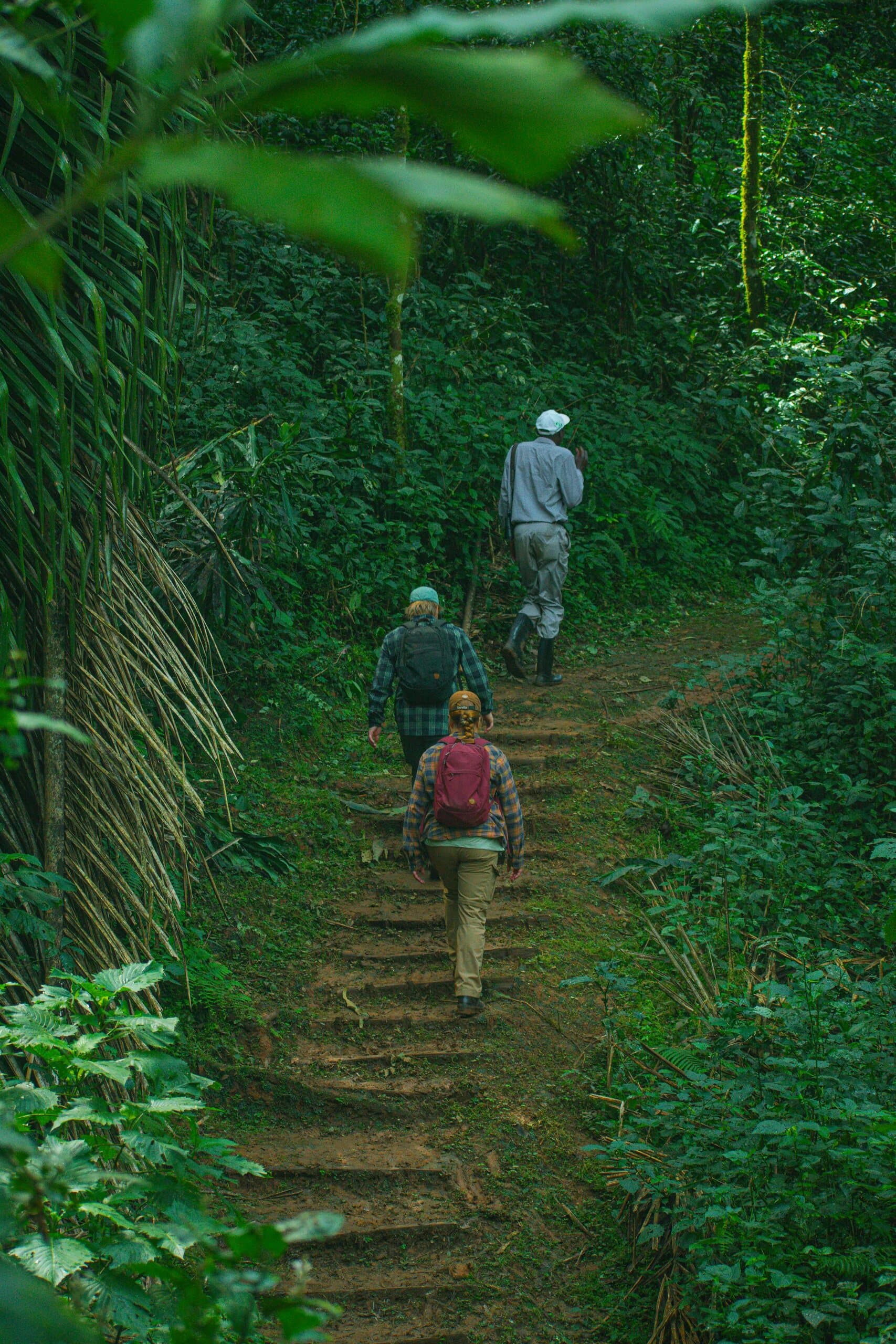
Kakamega Forest is the last piece of Kenya's Guineo-Congolian rainforest. The county's Isukuti dance is on UNESCO's list of heritage in need of urgent safeguarding. Kakamega lies in the well-watered heart of Western Kenya below the Nandi Escarpment. It is home to Luhya sub-groups including the Isukha, Idakho, Kabras, Tiriki and Wanga, whose historic kingdom was based at Mumias.
Here are the 8 things to do in Kakamega County that we would send a visitor to, in rough order of how often our travelers ask for them, followed by how to fit them into a trip.
1. Kakamega Forest National Reserve
Kenya's only tropical rainforest, with De Brazza's monkeys, hundreds of bird species and 380+ tree species. This is the county's headline stop and the one to anchor a day around.
2. Buyangu Hill
The forest's highest point, a classic sunrise hike above the canopy. Pairs well with Crying Stone of Ilesi, which is usually done the same day.
3. Crying Stone of Ilesi
A famous rock formation in Shinyalu, once known for water running down its face. Pairs well with Nabongo Cultural Centre, Matungu, which is usually done the same day.
4. Nabongo Cultural Centre, Matungu
The story of the Wanga Kingdom and its Nabongo kings. Pairs well with Malinya Stadium bullfights, which is usually done the same day.
5. Malinya Stadium bullfights
Isukha and Idakho bullfighting draws huge, noisy crowds. Pairs well with Lirhanda Hill and caves, which is usually done the same day.
6. Lirhanda Hill and caves
Bat-filled caves and forest views from the summit. Pairs well with Mawe Tatu, which is usually done the same day.
7. Mawe Tatu
Three granite outcrops for a short hike with wide views. Pairs well with Ilesi Pottery Project, which is usually done the same day.
8. Ilesi Pottery Project
Watch potters shape traditional earthenware. A good last stop on the way out of the county.
Culture and daily life in Kakamega
Isukuti drumming and dance, played on three drums with a horn and rattles, mark births, weddings and funerals. Bullfighting is a prized Isukha and Idakho tradition, and the Wanga still honour their Nabongo king. Chicken (ingokho) with ugali is the dish of honour.
Mixed farming leads, with maize, beans, dairy, poultry and sugarcane around Mumias and Butere. Tea grows on the eastern uplands, and small-scale gold mining continues around Ikolomani.
A day in Kakamega
| Time | Plan |
|---|---|
| Early morning | Kakamega Forest National Reserve: Kenya's only tropical rainforest, with De Brazza's monkeys, hundreds of bird species and 380+ tree species. Go first, before the heat and the crowds. |
| Late morning | Buyangu Hill: the forest's highest point, a classic sunrise hike above the canopy. |
| Lunch | Ingokho, free-range chicken, the guest dish, at a local restaurant in Kakamega or the nearest town. |
| Afternoon | Crying Stone of Ilesi: a famous rock formation in Shinyalu, once known for water running down its face. |
| Late afternoon | Nabongo Cultural Centre, Matungu: the story of the Wanga Kingdom and its Nabongo kings. |
| Evening | Isukuti drumming and dance, played on three drums with a horn and rattles, mark births, weddings and funerals. Ask your host where the music or the choma is that night. |
Nearby, and how to fit Kakamega into a trip
Kakamega is about 380 km from Nairobi (7½ hours by road; see the getting-there page). The attractions above fill two full days comfortably, or one long one if you pick the first three. The best months are april to july, when the forest is lush and flowering; the when-to-go page has the month-by-month weather.
- Kakamega Forest, in the county: Kenya's last rainforest: 400 bird species, blue monkeys, colobus and 400 kinds of butterfly.
- Vihiga County, about 30 km away: Vihiga is one of Kenya's most densely populated counties.
- Bungoma County, about 50 km away: Bungoma is a food and sugar basket for Kenya.
- Busia County, about 100 km away: Busia and Malaba are among Kenya's busiest gateways to Uganda and the Great Lakes region.
Who it suits
Travelers who want to see Kenya beyond the famous parks, and Kenyans visiting home. Kakamega Forest is the last piece of Kenya's Guineo-Congolian rainforest. The county's Isukuti dance is on UNESCO's list of heritage in need of urgent safeguarding.