
Seasons, 2 min read
The green season, honestly
April to June is when the rain comes, the prices drop and the parks empty. Here is what you actually get.
By Kenya Experience, September 12, 2026
Most safari websites hide the rainy season behind the phrase 'low season'. We would rather tell you what it is like, because for a lot of travelers it is the better trip.
What the rain is like
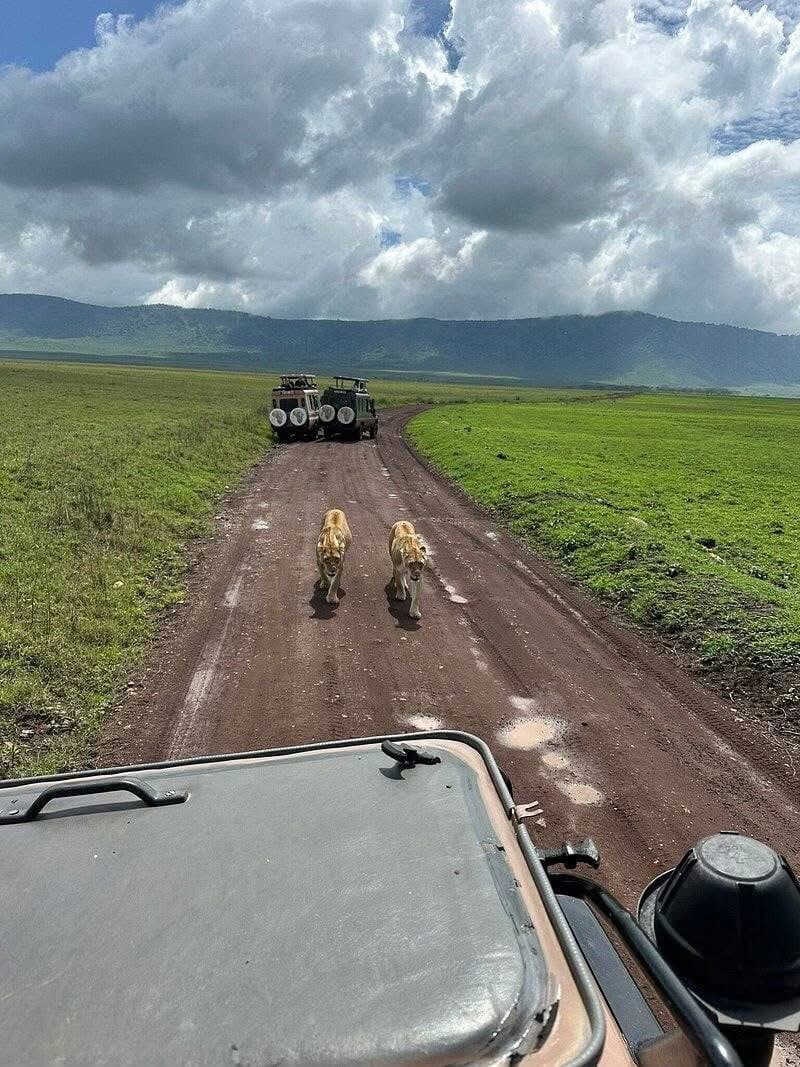
The long rains fall from late March into May, usually as an afternoon storm that builds through lunch and clears by sundowners. Mornings are mostly dry and the light after rain is the best of the year. Roads inside the parks get muddy; your guide will know which ones, and the occasional slide is part of the story you tell later.
What you gain
- Lodge rates up to half of peak season
- Parks with a fraction of the vehicles
- Newborn animals and the predators that follow them
- Dramatic skies and clean air for photographers
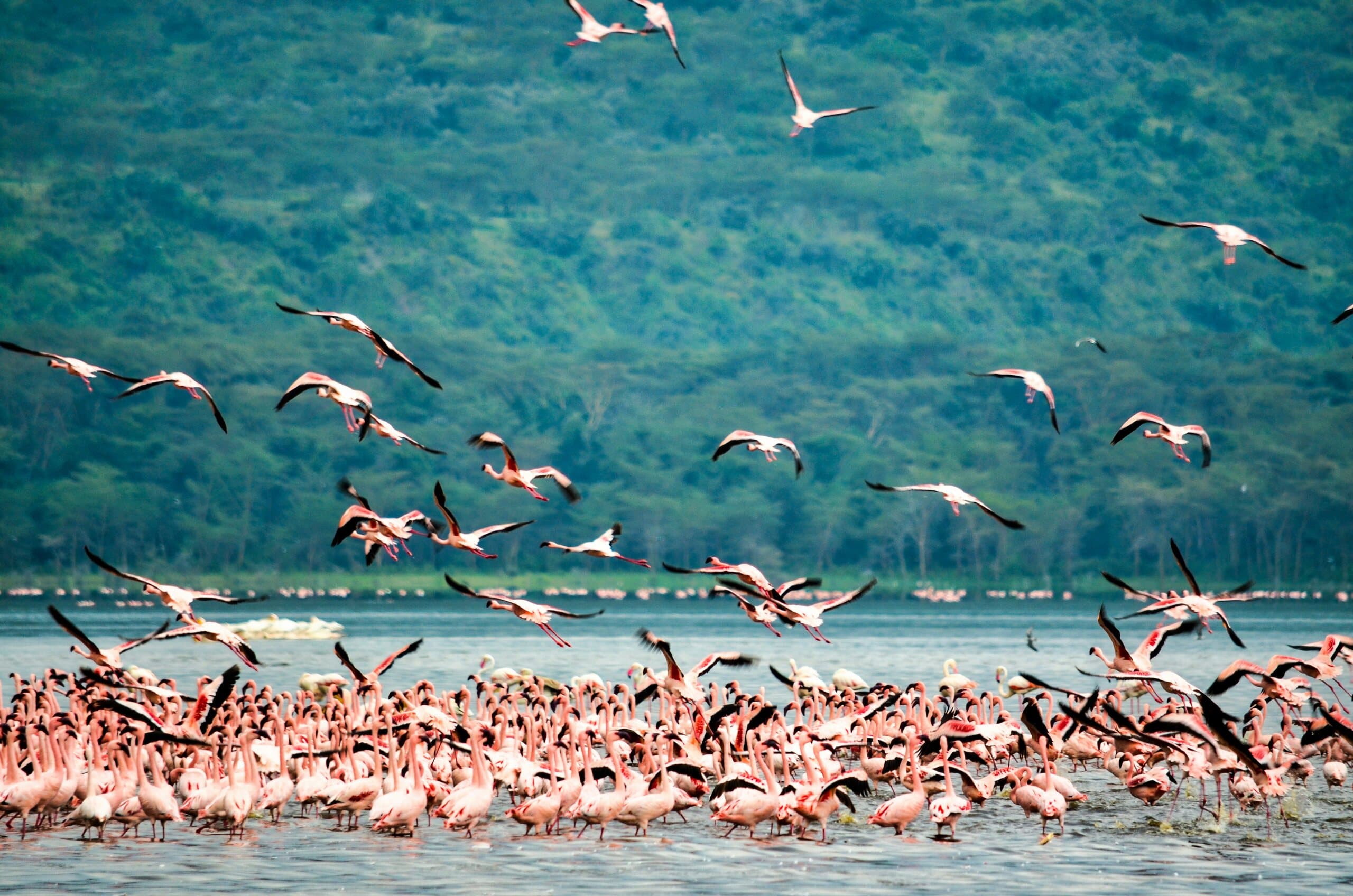
- Migratory birds at their peak
What you give up
The migration is in Tanzania. Some small camps close in April and May. Balloon flights and light aircraft occasionally delay for weather. The coast is at its wettest and least appealing, so a green-season trip is a safari trip, not a bush-and-beach one.
If your priority is value, light and space, come in May. If it is the river crossing, come in September. Both are Kenya.
More stories
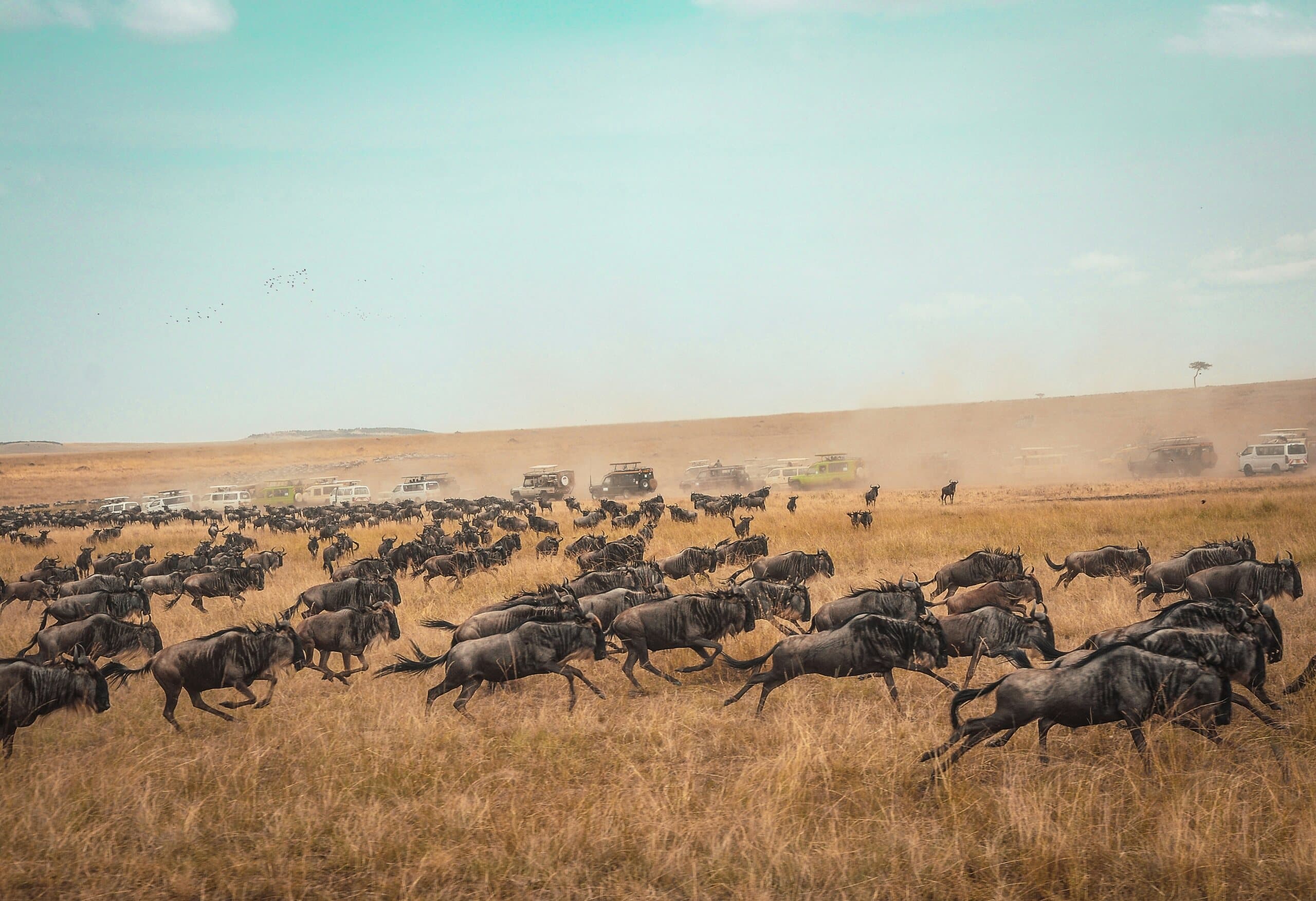 Destinations, 2 min readReading the riverHow a Mara guide knows a crossing is coming, and why the best seat is the one you wait in.October 1, 2026
 Study & Serve, 2 min readTwenty years of educational diplomacyKenya Experience grew out of a village school partnership that began in 2007. This is where the company comes from.August 20, 2026
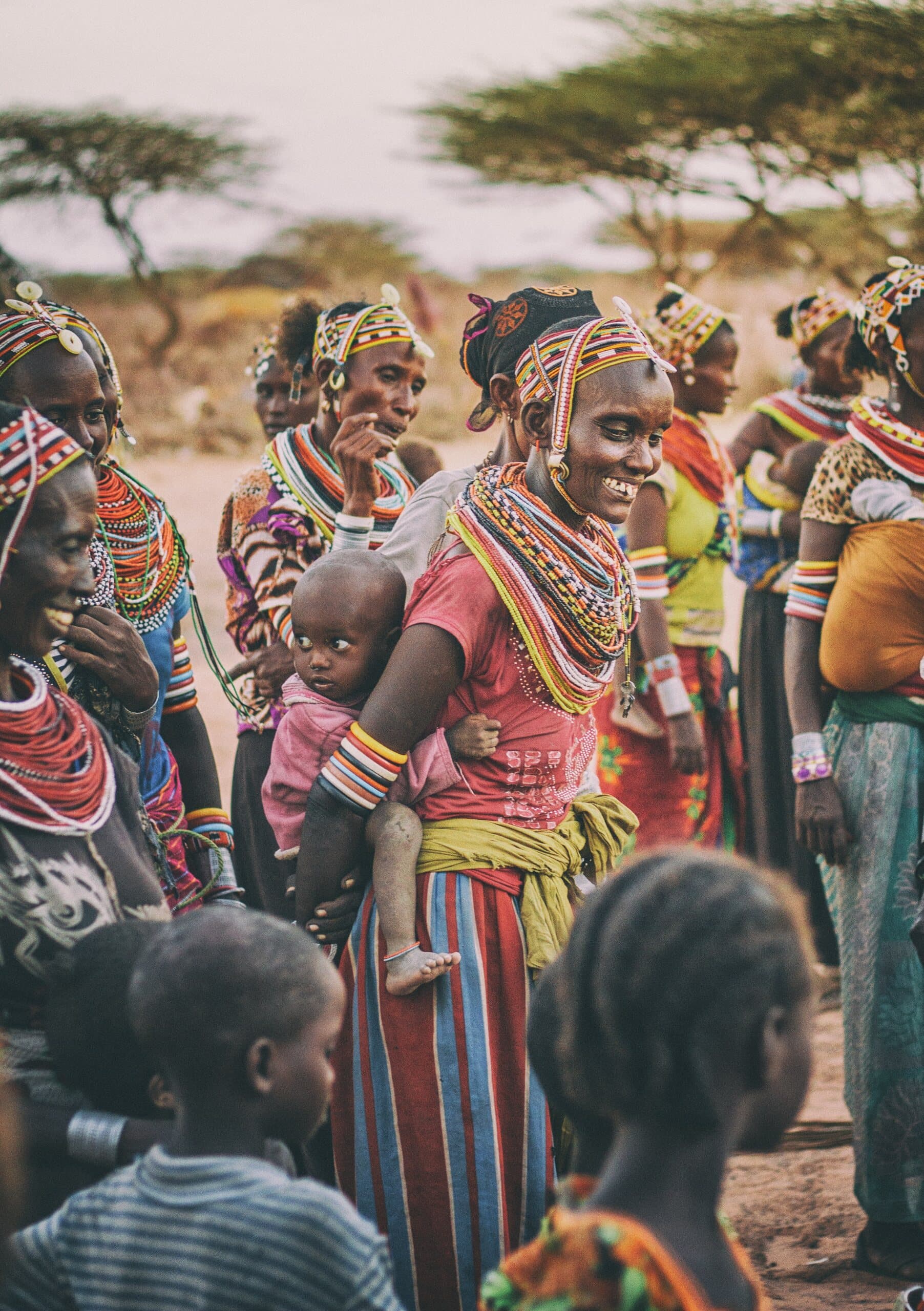 Culture, 2 min readWhat a bead colour meansSamburu and Maasai beadwork is a language. An afternoon with a women's cooperative teaches you to read a little of it.July 30, 2026
Kila mwezi