Towns and places. Updated November 2026. 3 min read.
Nairobi gave Kenya genge rap in the 1990s and Sheng-language gengetone from about 2016. Both spread through matatus, minibuses that double as moving nightclubs with bold art and loud sound systems. Afro-pop is booming, and nyama choma (roast meat) is the city's signature meal. This page covers what people eat in Nairobi, the dishes to look for, the manners that matter at a Kenyan table, and where the county's culture is on show.
What people eat in Nairobi
Everything, because everyone is here: nyama choma on Kiambu Road, Swahili, Indian and Somali kitchens, kibanda lunches of beans and chapati, and the city's new restaurants.
- Nyama choma at a Carnivore-style grill or a neighbourhood joint
- Smokie-and-egg and roast maize from the street vendors
- Eastleigh's Somali camel, rice and spiced tea
- Chapati and beans at a kibanda
- Indian bhajia and chai in Parklands and Westlands
To drink: Nairobi's new coffee houses serve the AA beans the country usually exports; Tusker and the craft breweries take over after dark.
Table manners and hospitality
A guest is fed first and well. Wash your hands when the jug and basin come round (or before the meal where there is a sink), eat ugali with the right hand, and take a little of everything. Declining food outright can read as refusing the welcome; a small portion accepted is the polite route. Tea is offered at every visit and it is sweet and milky unless you ask otherwise. In Muslim households on the coast and in the north-east, dress modestly and skip alcohol.
Where the culture is on show
Karen Blixen Museum: the farmhouse below the Ngong Hills that inspired Out of Africa. Nairobi National Museum: culture, nature and Rift Valley exhibits on Museum Hill, with a snake park next door. Nairobi Railway Museum: old locomotives and Uganda Railway relics. Maasai Market: a craft market that moves to a different site each day; haggling expected. Markets are the everyday museum: the main market in Nairobi is busiest on its market days and is where the county's produce, cloth and cooking are easiest to see.
Eating out: what things cost
A plate of ugali and stew at a kibanda (a small local eatery) in Nairobi costs about KSh 150 to 300 ($1 to $2.50); a meal at a mid-range restaurant KSh 800 to 1,500 ($6 to $12); and dinner at a lodge or hotel, where it is not already in your rate, $25 to $40. Bottled water is KSh 50 to 100, a soda about the same, a Tusker KSh 250 to 400 in a bar. Tip around 10 percent in restaurants where service is not added. Street food is safe where it is cooked in front of you and busy; roast maize, mandazi and samosas are the standards.
Economy and daily life
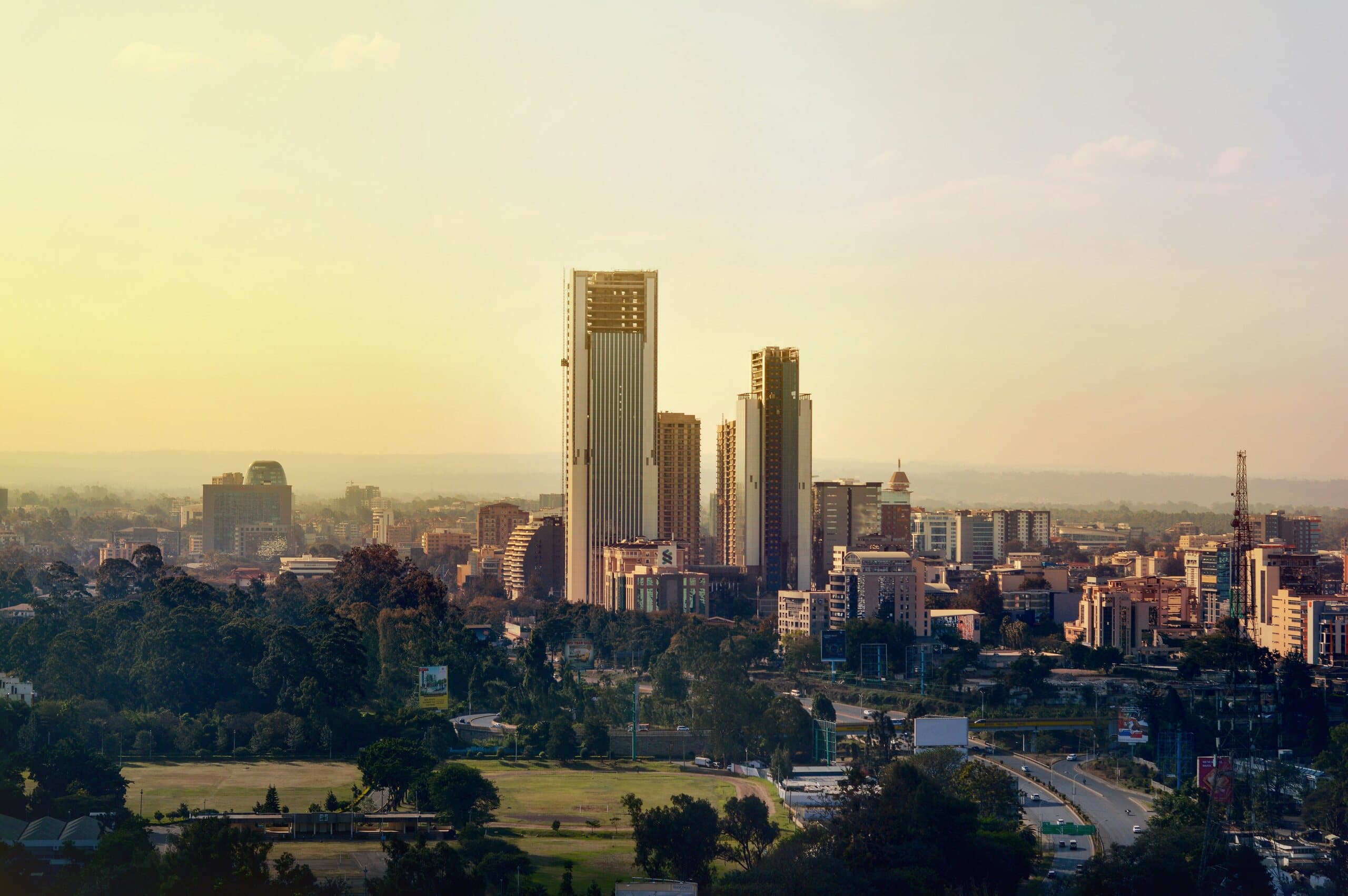
Nairobi produces about 27.5% of Kenya's GDP. It hosts the Nairobi Securities Exchange, regional offices of many multinationals and Jomo Kenyatta International Airport, the hub of Kenya Airways. Most international visitors land here before going on safari. Nairobi hosts the global headquarters of UN Environment and UN-Habitat and leads East Africa in business, diplomacy and creative work.