
Towns and places. Updated November 2026. 3 min read.
Meru is one of Kenya's largest county economies. Its Njuri Ncheke council of elders is one of the country's best-known traditional institutions. Meru lies on the north-eastern slopes of Mount Kenya and the Nyambene Hills, falling from glaciers to hot savanna. It is the home of the Ameru, green, fertile and deeply traditional.
Here are the 6 things to do in Meru County that we would send a visitor to, in rough order of how often our travelers ask for them, followed by how to fit them into a trip.
1. Meru National Park
Wilderness crossed by 13 rivers, home of Joy and George Adamson and a rhino sanctuary. This is the county's headline stop and the one to anchor a day around.
2. Mount Kenya National Park
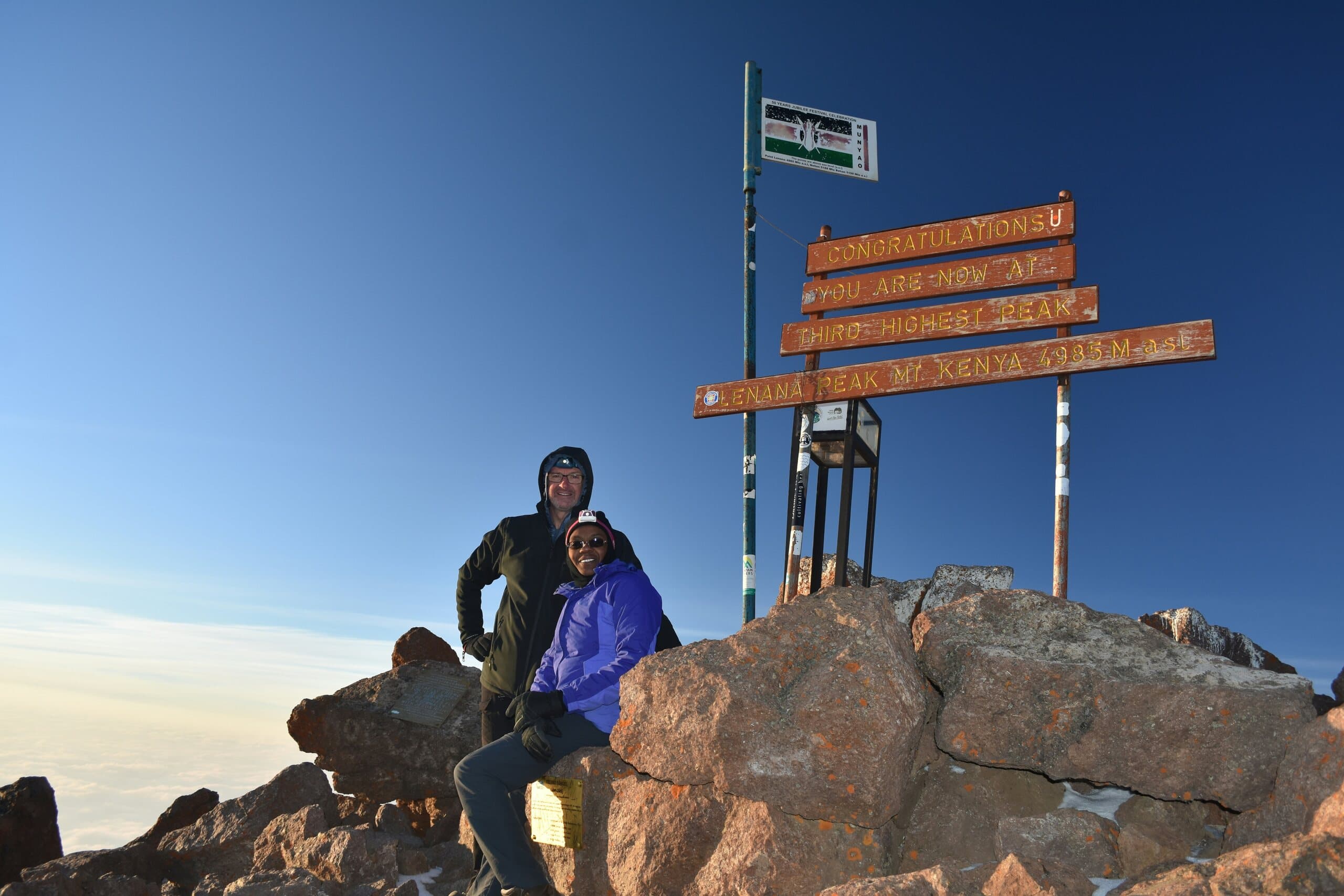
UNESCO-listed routes up the eastern slopes. Pairs well with Lewa Wildlife Conservancy and Ngare Ndare Forest, which is usually done the same day.
3. Lewa Wildlife Conservancy and Ngare Ndare Forest
Part of the Mount Kenya World Heritage Site and a key elephant corridor. Pairs well with Lake Nkunga, which is usually done the same day.
4. Lake Nkunga
A sacred crater lake in Imenti Forest. Pairs well with Lake Ellis, which is usually done the same day.
5. Lake Ellis
A remote high-altitude lake on eastern trekking routes. Pairs well with Njuri Ncheke Shrine and Meru Museum, which is usually done the same day.
6. Njuri Ncheke Shrine and Meru Museum
The story of the Ameru elders' council. A good last stop on the way out of the county.
Culture and daily life in Meru
The Njuri Ncheke elders still guard sacred sites and settle disputes. The Murera Gate Cultural Festival at Meru National Park showcases Meru music and food. Try ûcûrû (Uji Meru), a fermented millet porridge.
Meru leads Kenya in tea, coffee, French beans, dairy and miraa, and Meru town is a major trading hub.
A day in Meru
| Time | Plan |
|---|---|
| Early morning | Meru National Park: wilderness crossed by 13 rivers, home of Joy and George Adamson and a rhino sanctuary. Go first, before the heat and the crowds. |
| Late morning | Mount Kenya National Park: UNESCO-listed routes up the eastern slopes. |
| Lunch | Muthokoi, the Kamba dehulled-maize stew, at a local restaurant in Meru or the nearest town. |
| Afternoon | Lewa Wildlife Conservancy and Ngare Ndare Forest: part of the Mount Kenya World Heritage Site and a key elephant corridor. |
| Late afternoon | Lake Nkunga: a sacred crater lake in Imenti Forest. |
| Evening | The Njuri Ncheke elders still guard sacred sites and settle disputes. Ask your host where the music or the choma is that night. |
Nearby, and how to fit Meru into a trip
Meru is about 230 km from Nairobi (4½ hours by road; see the getting-there page). The attractions above fill two full days comfortably, or one long one if you pick the first three. The best months are june–october or january–february; the when-to-go page has the month-by-month weather.
- Lewa, in the county: A UNESCO-listed conservancy of rhinos and Grevy's zebra, with walking, riding and the Lewa marathon.
- Meru National Park, in the county: Elsa's park: thirteen rivers, doum palms, a rhino sanctuary and almost no other vehicles.
- Isiolo County, about 40 km away: Isiolo is the northern gateway for Kenya's Vision 2030 plans and protects rare species such as Grevy's zebra and reticulated giraffe.
- Tharaka-Nithi County, about 60 km away: Its Mount Kenya forest feeds the Tana River, Kenya's main hydropower source.
- Embu County, about 90 km away: Embu is Kenya's hydropower giant, home to the Seven Forks dams on the Tana.
- Kitui County, about 210 km away: About 46% of Tsavo East National Park lies in Kitui, and its minerals make it a possible future energy hub.
Who it suits
Hikers, climbers and travelers who want cool highland air. Meru is one of Kenya's largest county economies. Its Njuri Ncheke council of elders is one of the country's best-known traditional institutions.