Towns and places. Updated November 2026. 3 min read.
U.S. travel advisory
Lamu County is on the U.S. State Department's Do Not Travel list (Level 4) as of October 19, 2026. We have paused Lamu departures and keep this page for when the advisory changes.
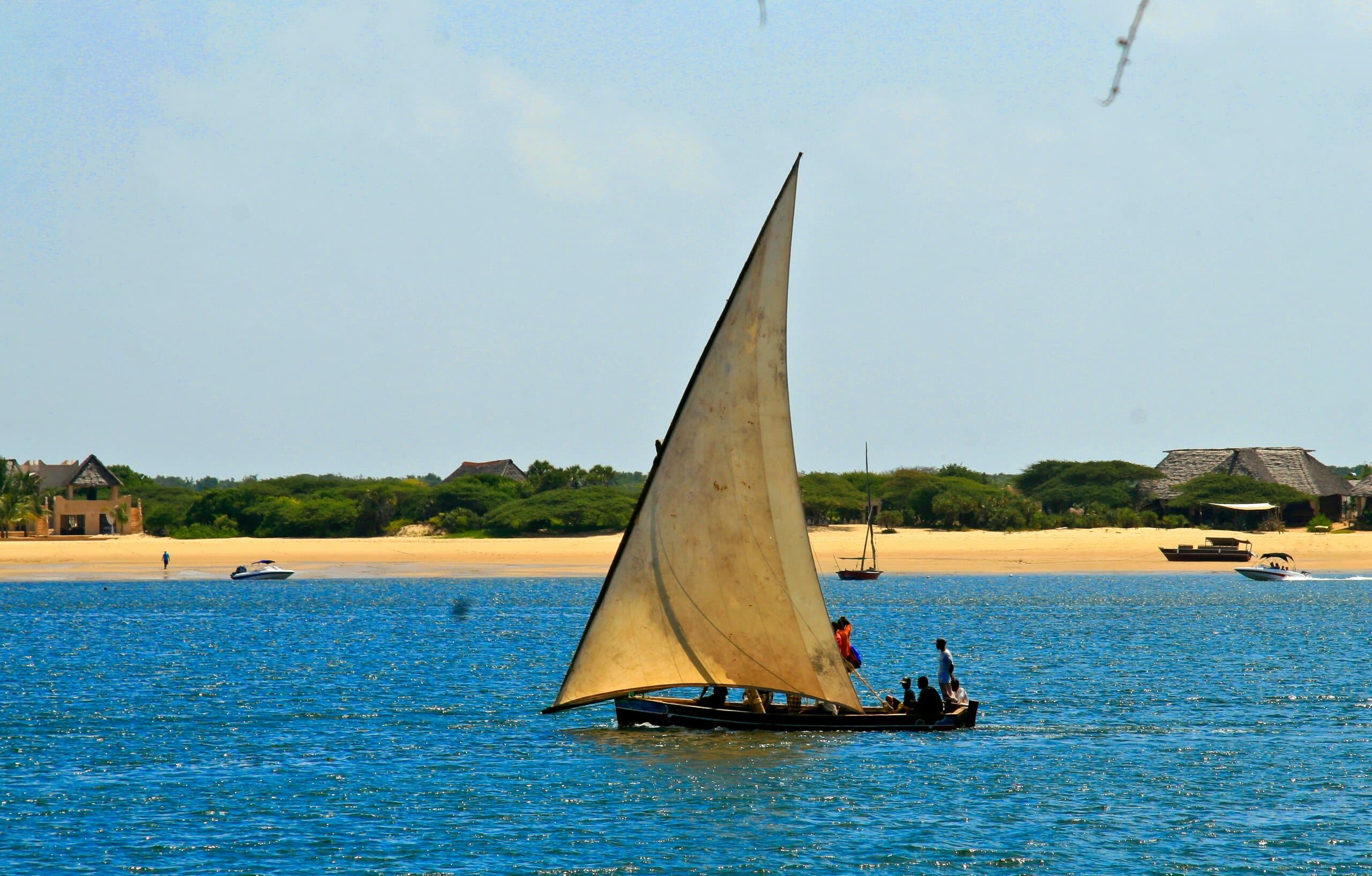
Read the advisoryLamu is a historic centre of Islamic and Swahili learning. The Lamu Cultural Festival in November brings dhow races, donkey races, henna and music, and Maulidi follows the Islamic calendar. Grilled fish and crab are local staples. This page covers what people eat in Lamu, the dishes to look for, the manners that matter at a Kenyan table, and where the county's culture is on show.
What people eat in Lamu
Swahili cooking built on coconut, rice and the sea: pilau and biryani for feasts, wali wa nazi (coconut rice) with fish curry on an ordinary day, and mahamri with mbaazi (coconut pigeon peas) for breakfast.
- Samaki wa kupaka, fish in a thick coconut sauce
- Viazi karai and bhajia from the roadside fryers
- Mishkaki, skewered beef grilled over charcoal
- Kaimati, sweet dumplings in syrup, and halua
- Madafu, green coconut water, from a cart on the seafront
To drink: Tangawizi (ginger) coffee from the kahawa sellers' brass pots in the evening, and fresh sugar-cane juice.
Table manners and hospitality
A guest is fed first and well. Wash your hands when the jug and basin come round (or before the meal where there is a sink), eat ugali with the right hand, and take a little of everything. Declining food outright can read as refusing the welcome; a small portion accepted is the polite route. Tea is offered at every visit and it is sweet and milky unless you ask otherwise. In Muslim households on the coast and in the north-east, dress modestly and skip alcohol.
Where the culture is on show
Lamu Old Town: coral-stone houses, carved wooden doors and donkey-filled lanes. Lamu Fort: an early 19th-century fort now housing a museum and library. Lamu Museum: Swahili culture, crafts and maritime history in an 1890s seafront building. Shela Beach and village: long dunes and calm water, a short dhow ride from town. Takwa Ruins, Manda Island: a ruined Swahili town with a mosque and tombs. Pate Island: historic villages and the ruins of former city-states. Markets are the everyday museum: the main market in Lamu is busiest on its market days and is where the county's produce, cloth and cooking are easiest to see.
Eating out: what things cost
A plate of ugali and stew at a kibanda (a small local eatery) in Lamu costs about KSh 150 to 300 ($1 to $2.50); a meal at a mid-range restaurant KSh 800 to 1,500 ($6 to $12); and dinner at a lodge or hotel, where it is not already in your rate, $25 to $40. Bottled water is KSh 50 to 100, a soda about the same, a Tusker KSh 250 to 400 in a bar. Tip around 10 percent in restaurants where service is not added. Street food is safe where it is cooked in front of you and busy; roast maize, mandazi and samosas are the standards.
Economy and daily life
Fishing provides about three in four jobs, alongside tourism and trade. The new Lamu Port, part of the LAPSSET corridor, is reshaping the mainland. Lamu Old Town is a UNESCO World Heritage Site and East Africa's oldest and best-preserved Swahili settlement, lived in for over 700 years.